


By Jeffrey-Michael Kane
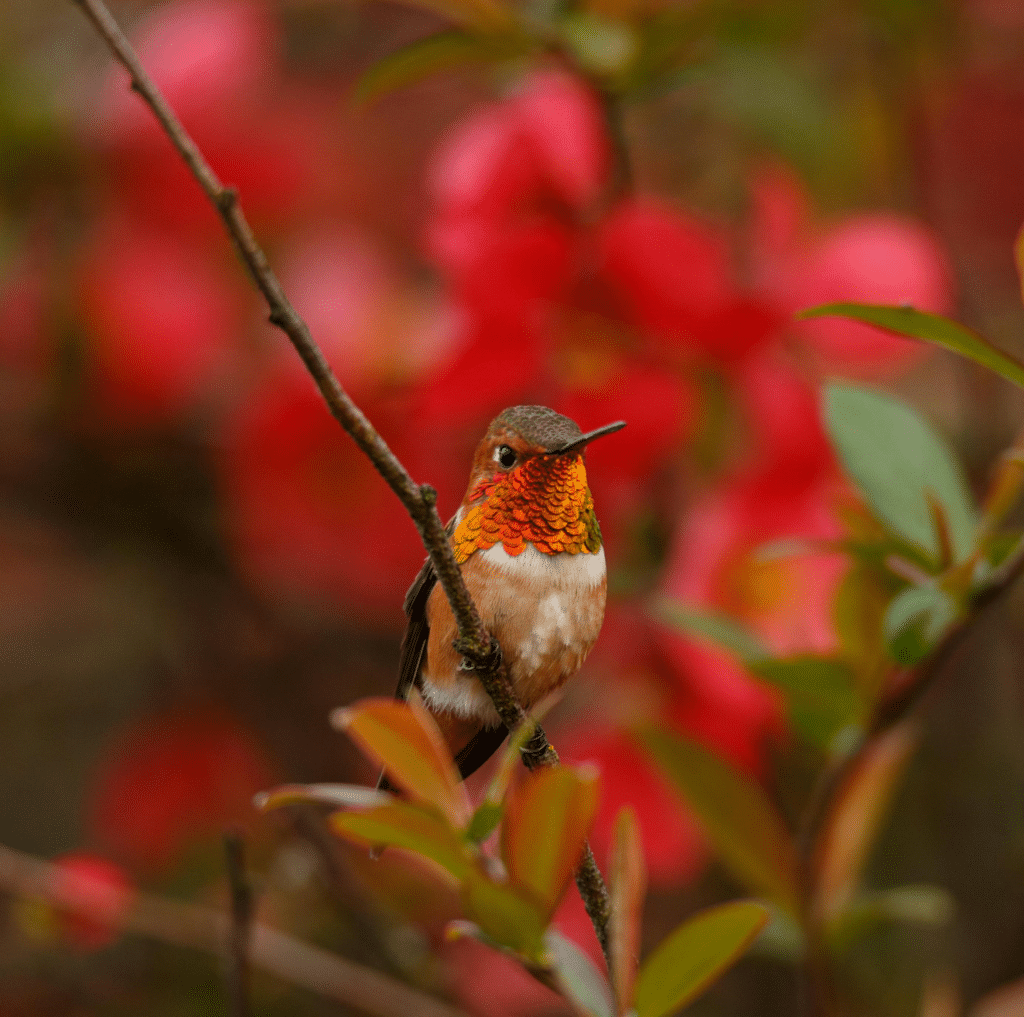
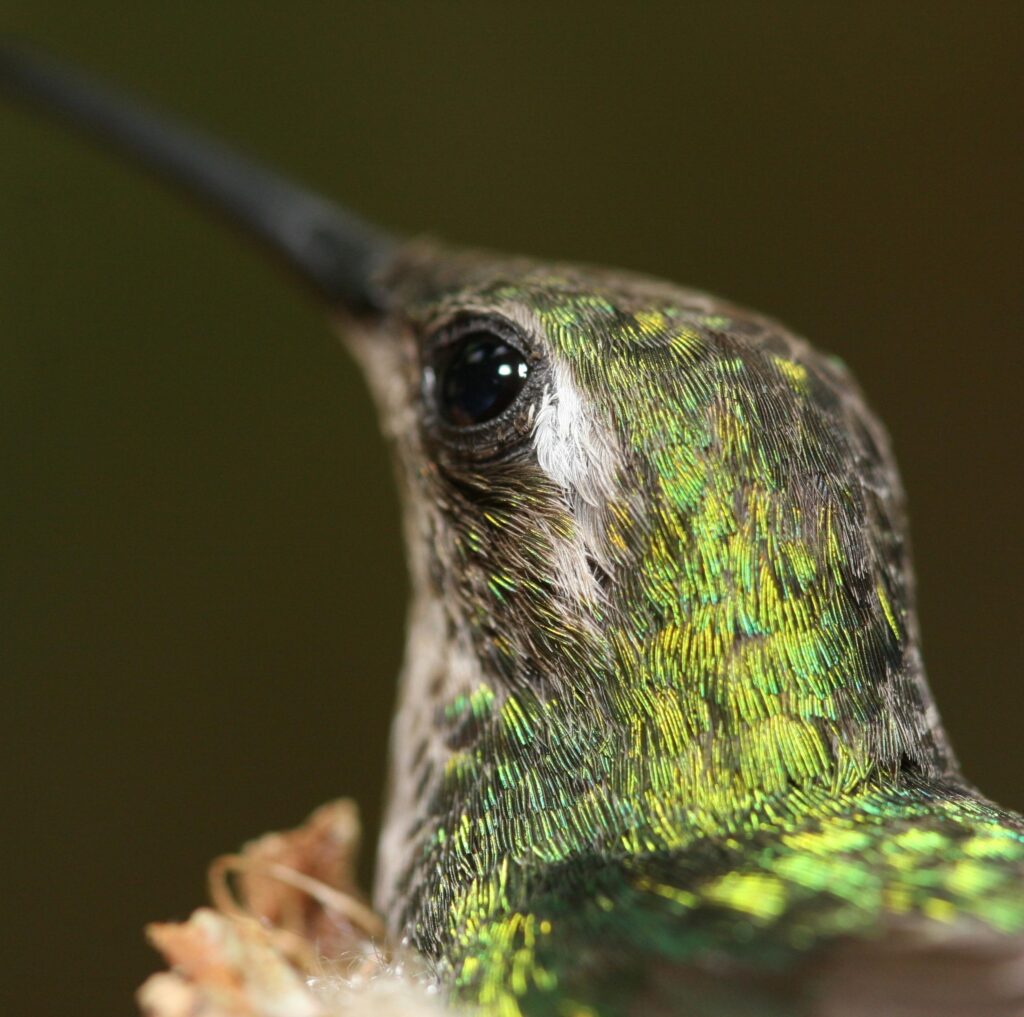
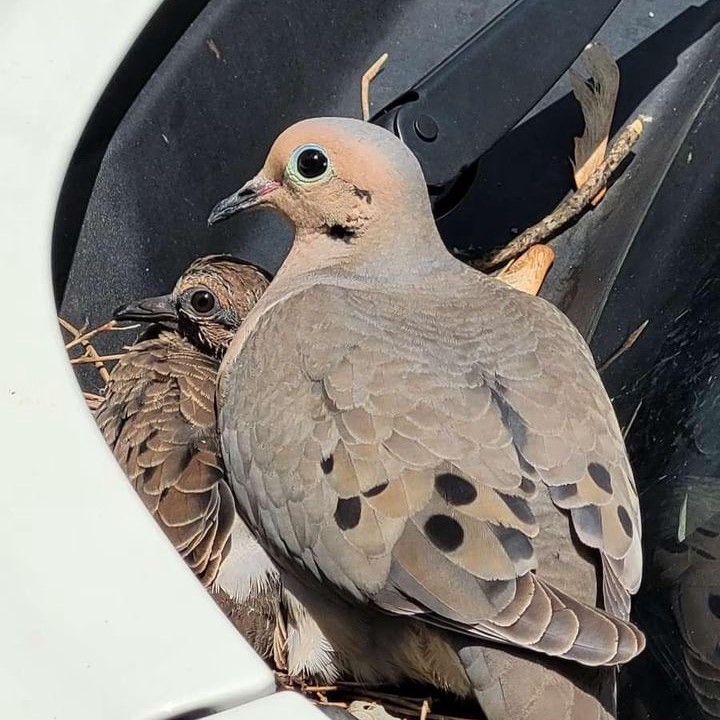
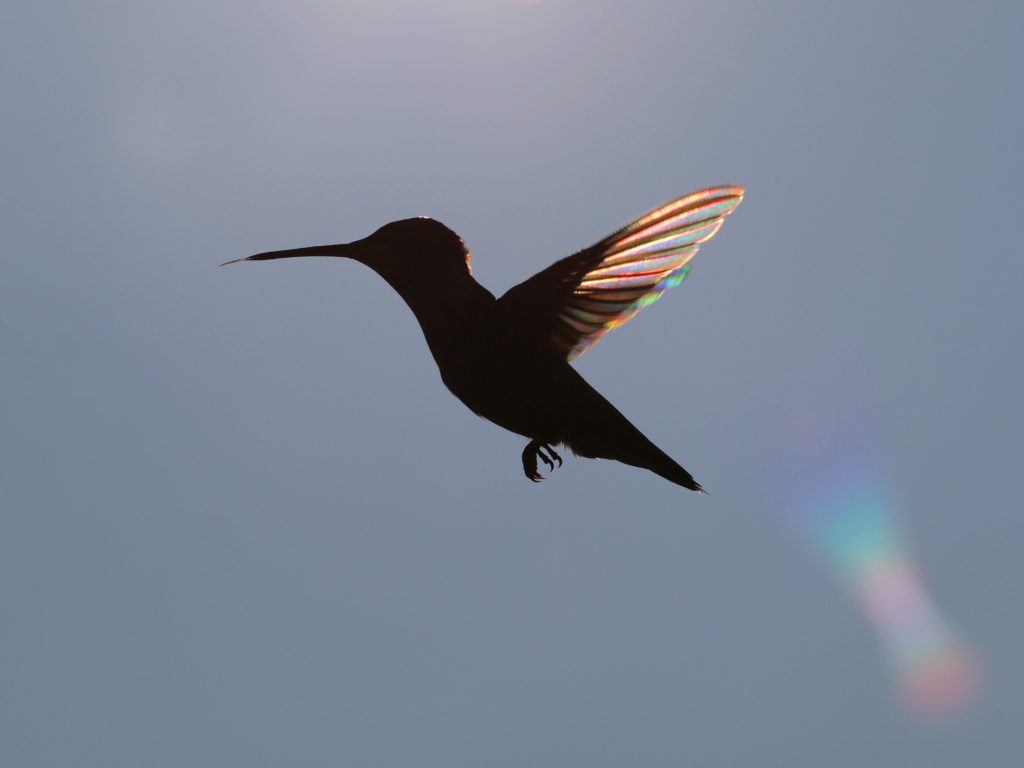
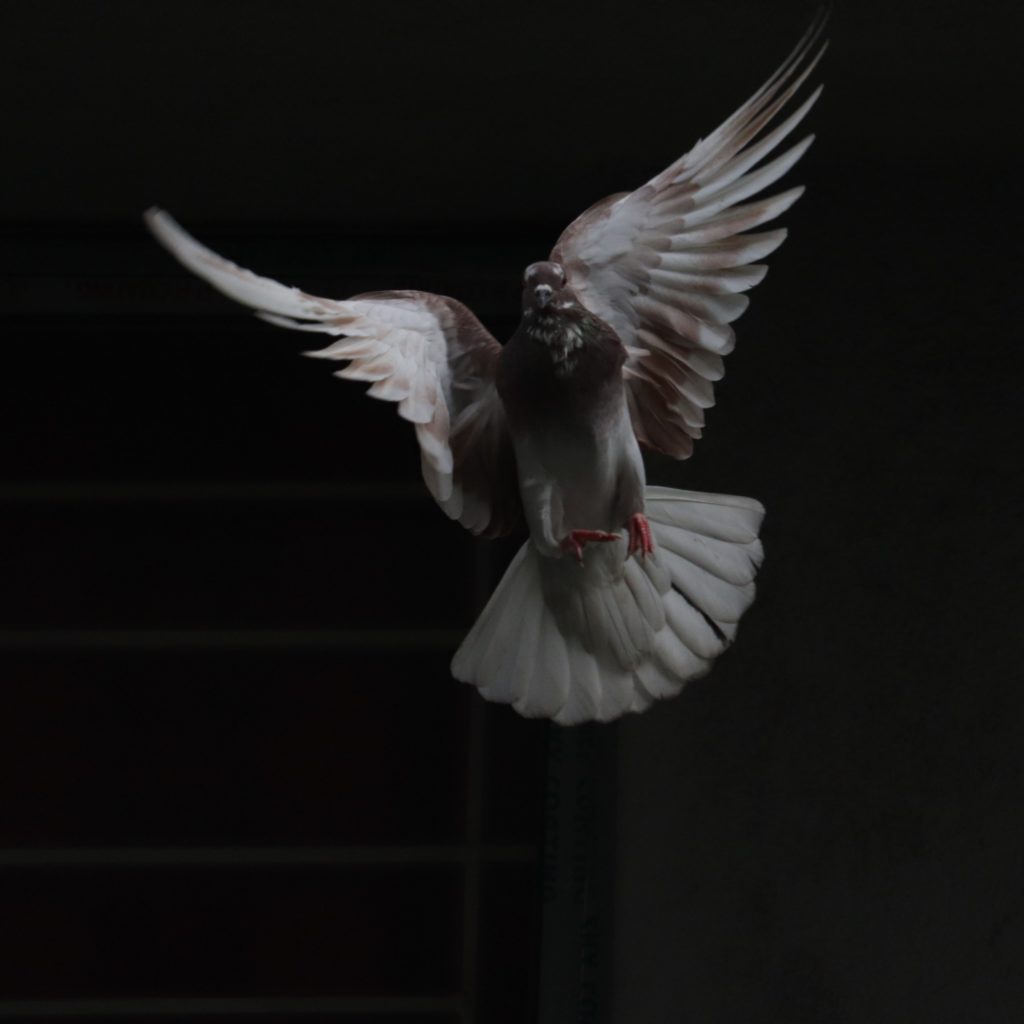
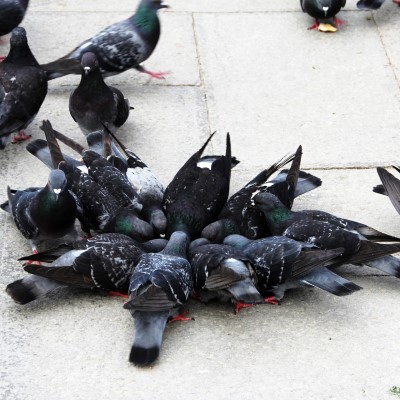
Start at the neck, where the gray bird stops being gray. The green there, and the violet the green keeps sliding into, is not pigment. There is no green in the feather, no purple, no dye of any kind. What the pigeon wears at its throat is architecture: keratin layered finer than a wavelength of light, so that light arriving at the feather interferes with itself—some colors canceled, some returned intact and burning.
The fire is manufactured at the moment of your looking. Tilt your head, and the throat goes slate. Shift your feet, let the sun swing one degree, and it ignites again—green at the chin, violet at the nape, neighboring structures returning different colors as the angle changes. Which means what you see is not in the bird alone. It is not, strictly speaking, anywhere. It occurs—between a geometry, a sun, and a witness standing in the right place. Most beauty is a property. A pigeon’s is an event, and the event requires you.
The bird knows where you are. The eye it turns on you is orange, rimmed like an eclipse, older in its lineage than any city it decorates. The pigeon has been watching you cross the square all along, gray and unremarkable, waiting to see whether today is the day you stop, stand at the correct angle, and burst into color.
Jeffrey-Michael Kane writes from New Orleans where he works as an attorney. He is the author of the nonfiction book Quiet Brilliance: What Employers Miss About Neurodivergent Talent—and How to Finally See It. His essay, “Nomenclature of a Life,” cataloguing his experience as a person with ASD-1, was awarded the Ellis Prize for Nonfiction.
Image by Mouad Hassari courtesy of Pexels























































































































































































































































































A brilliantly short lesson on brilliance
This is a lovely essay about looking and seeing, and how they can be different depending on your angle. I especially love the ending.
Delightful! I love this invitation, “A pigeon’s is an event, and the event requires you.”
I’m sitting at my desk, dreading the workday, watching the pigeon on my fire escape, and suddenly happy to be part of the event that requires me. Thank you.
That finale was beautiful. Struck me like an arrow. I don’t think I’ll ever forget it. But just to be sure, I’ll think of it every time I see a pigeon.
Intense and beautiful.
You have captured the moments beautifully.
This is absolutely beautiful, every word, and I love how it turns full circle, at the end. An event!
Stops me in my tracks! Lovely!
Capturing the beauty of an ordinary bird. I can see the beauty in my mind’s eye as you describe it.
Nothing is truly ordinary.
Loved sharing this with a friend who is a birder and appreciates even the “plainest” looking birds.
This is lovely. I’m a staunch advocate of the feathered marvels that exist in our neighborhoods. Much maligned pigeons, crows, and starlings.
Wonderful essay. I will continue thinking about and perhaps arguing with your intringuing statement: “Most beauty is a property. A pigeon’s is an event, and the event requires you.”
My god, this is completely ravishing. “…What the pigeon wears at its throat is architecture…”
I lovd every word of this. And the ending is perfection. Thank you.
Wow! You have opened up my mind to the fact that the colors are made by survival instincts and not colors of the feathers in actuality, I had no idea they were short shorter than wavelengths. What a beautiful posting thank you for sharing.
I love prose illuminated by science. Or is it science illuminated by prose? Either way it mimics the effect he so beautifully describes. Lovely!
Beautiful. I will go sit on a city bench and observe the pigeons from every angle. New events await.