


By Thomasin LaMay
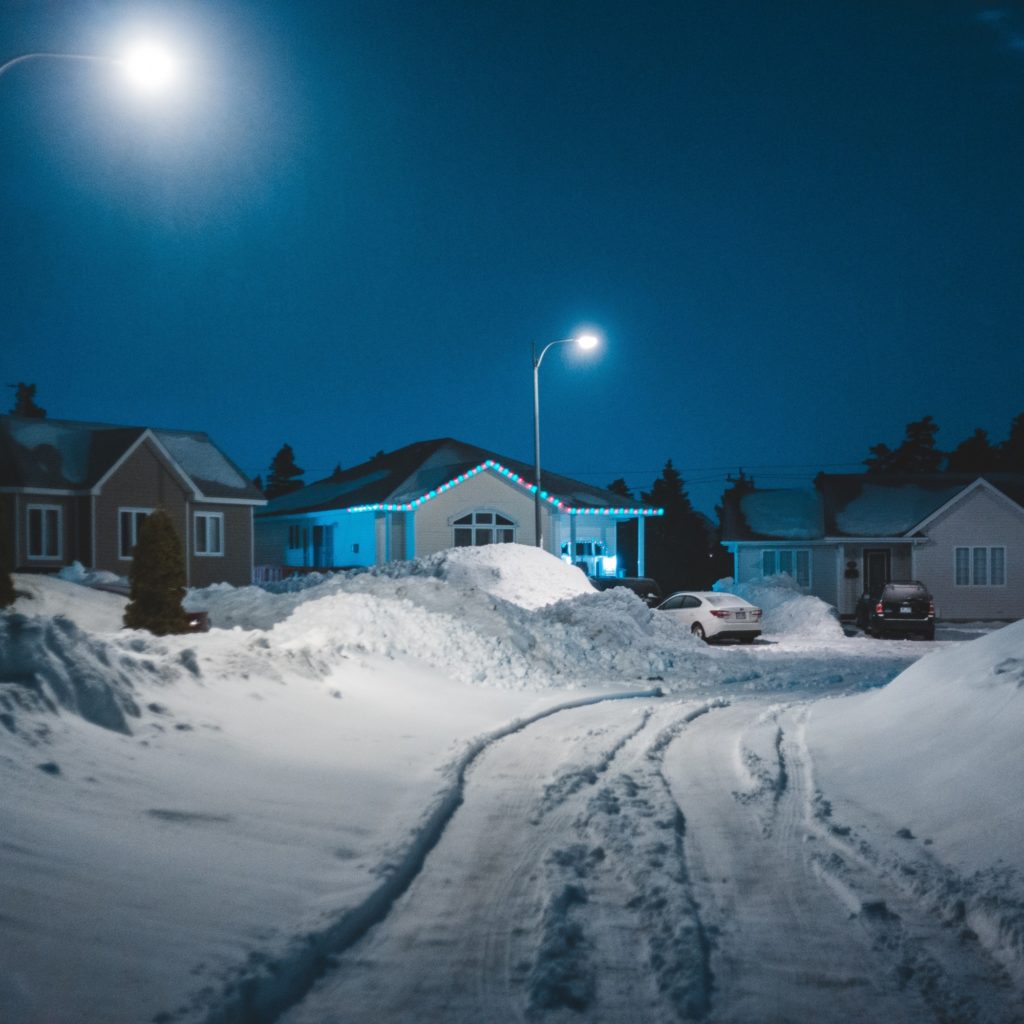
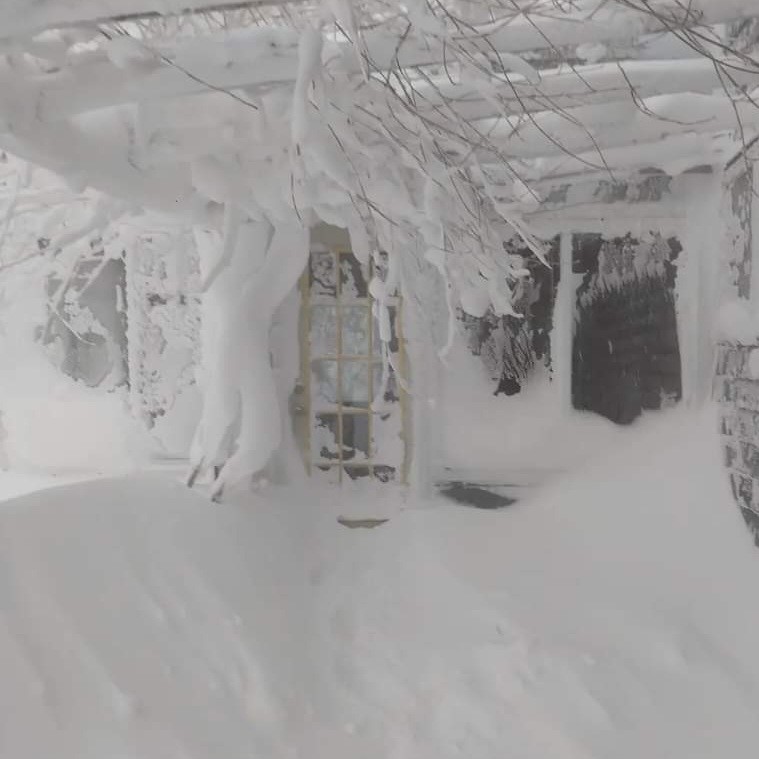
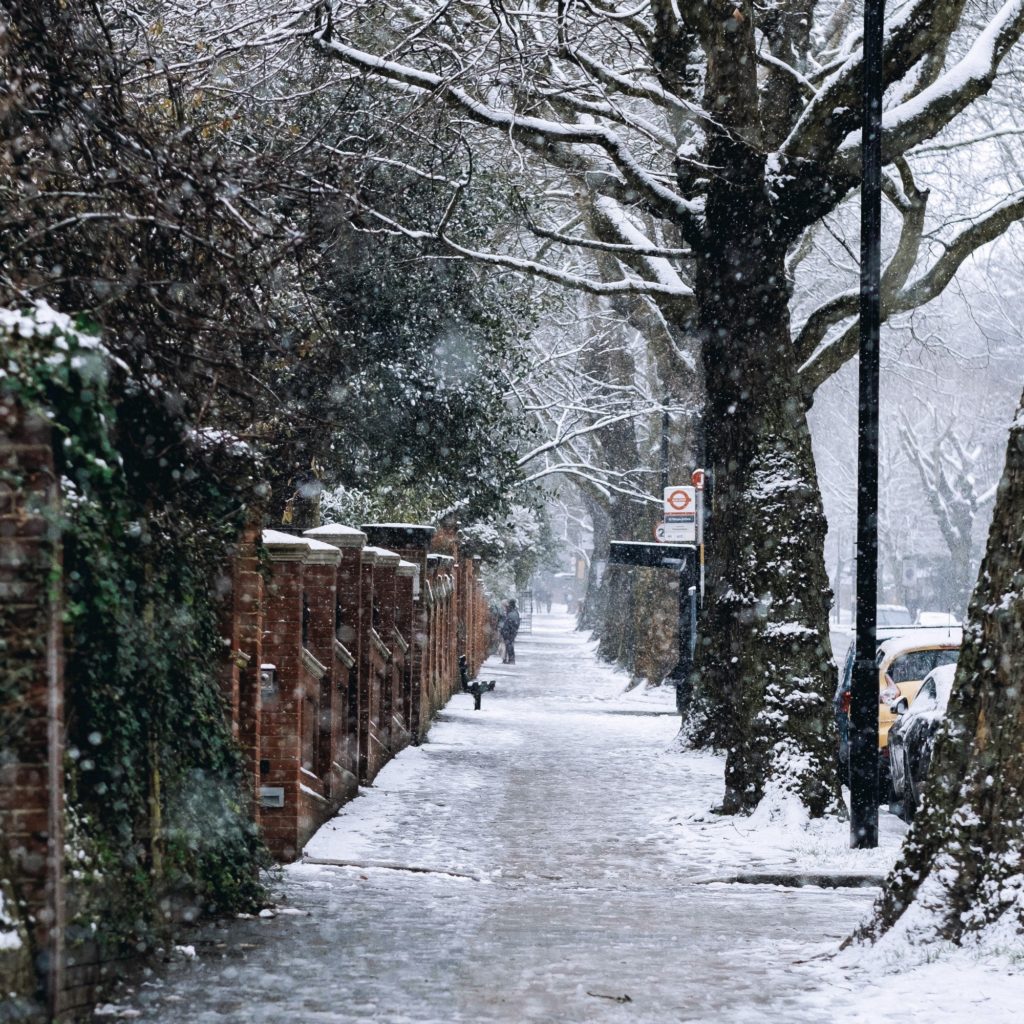
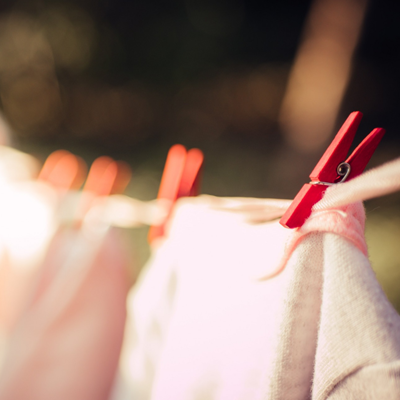
Besides snow, which is everywhere, it’s hard to see anything else. But what catches my eye near the bus after school is the string of laundry, hung to dry on a rusted steel line behind a burned out rowhouse. And two shirts on either end, blown by wind, reaching across socks and pants so their sleeve tips touch in the middle like lovers holding hands.
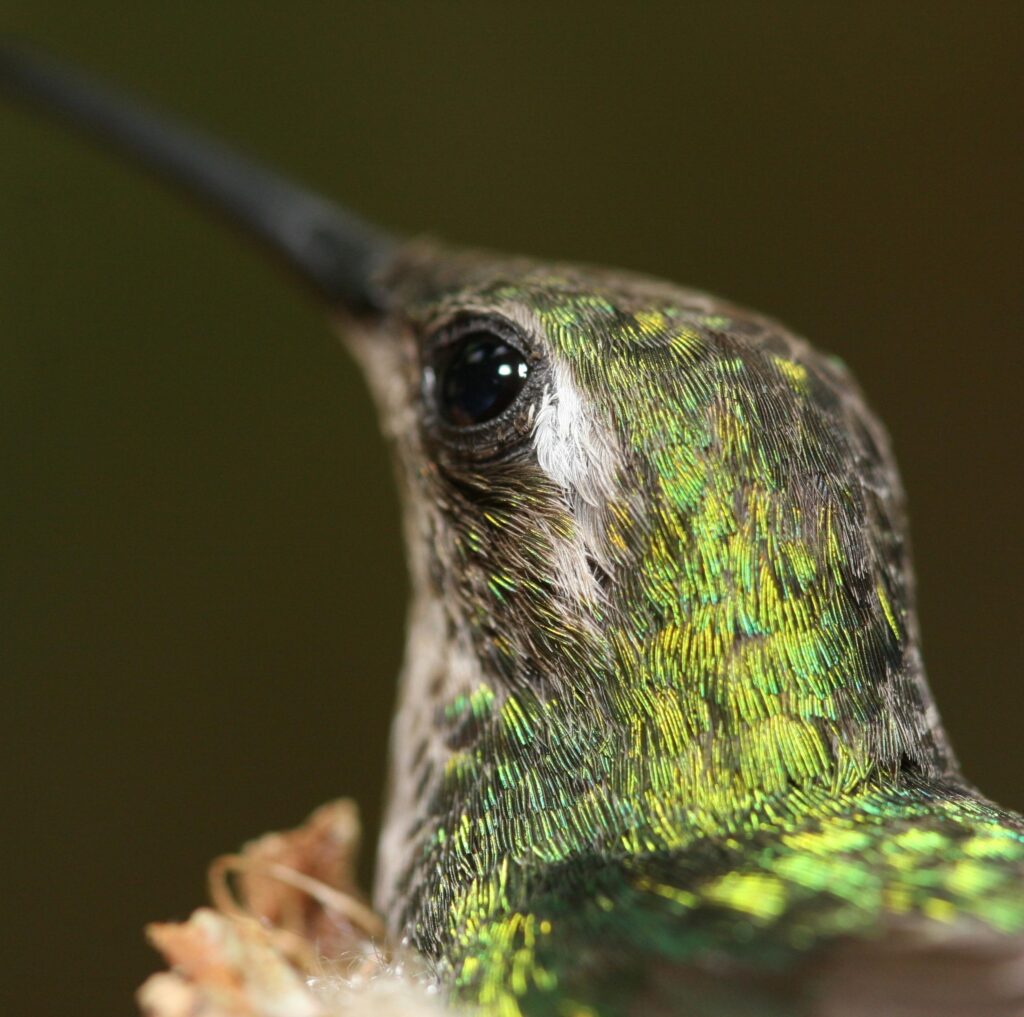
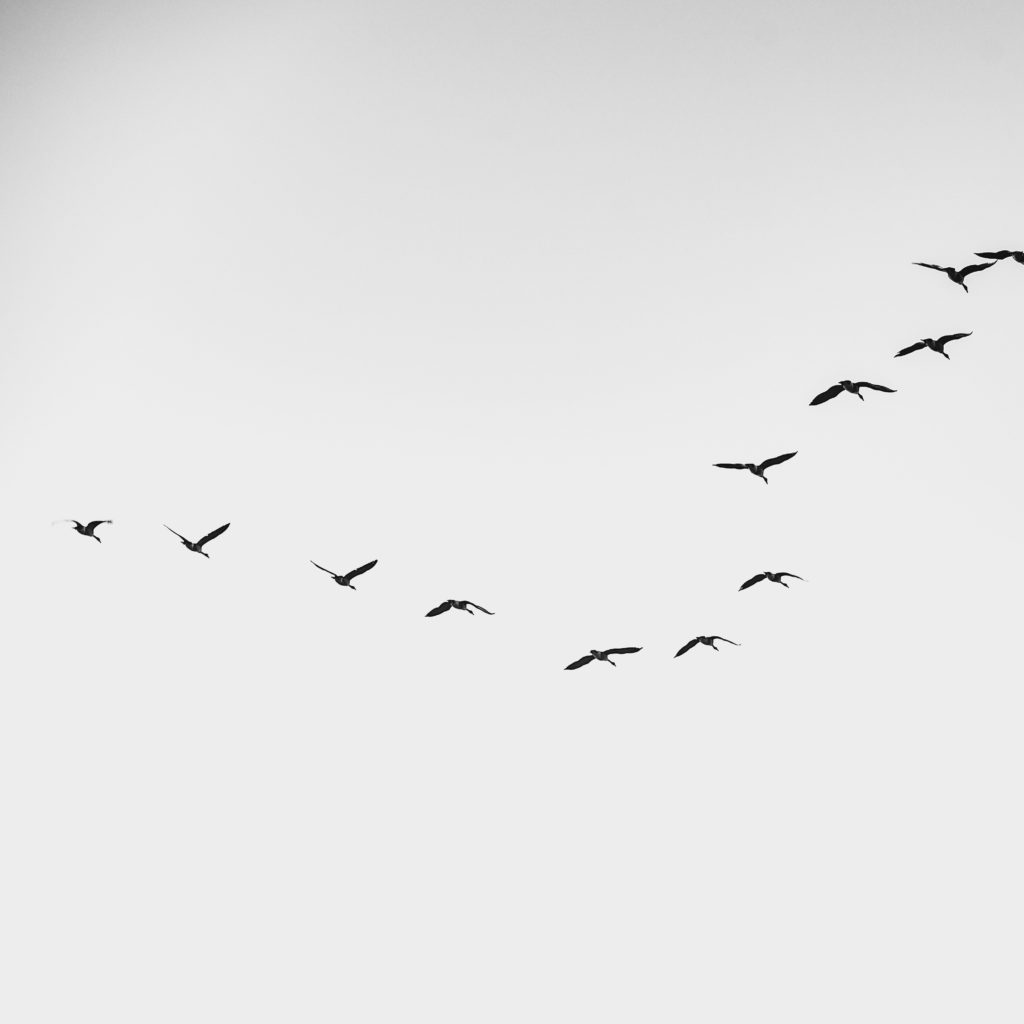
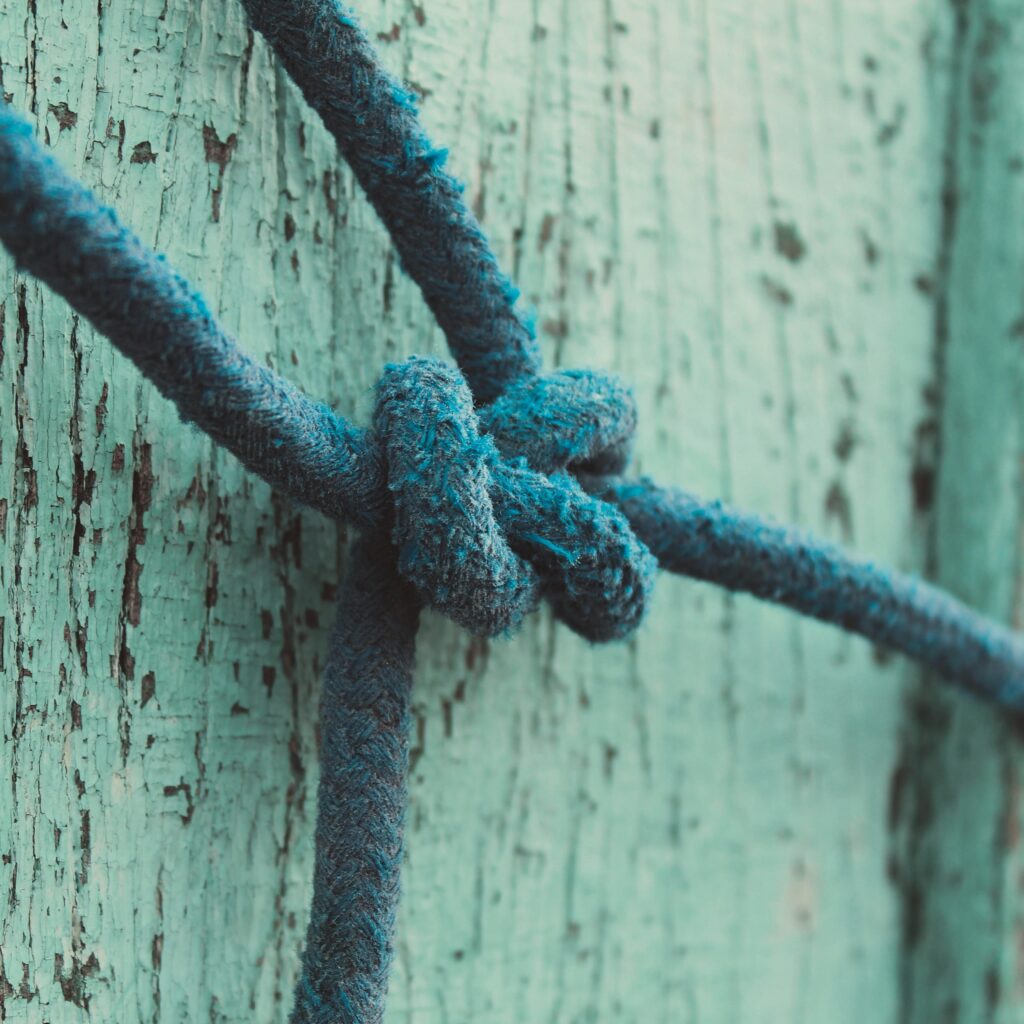
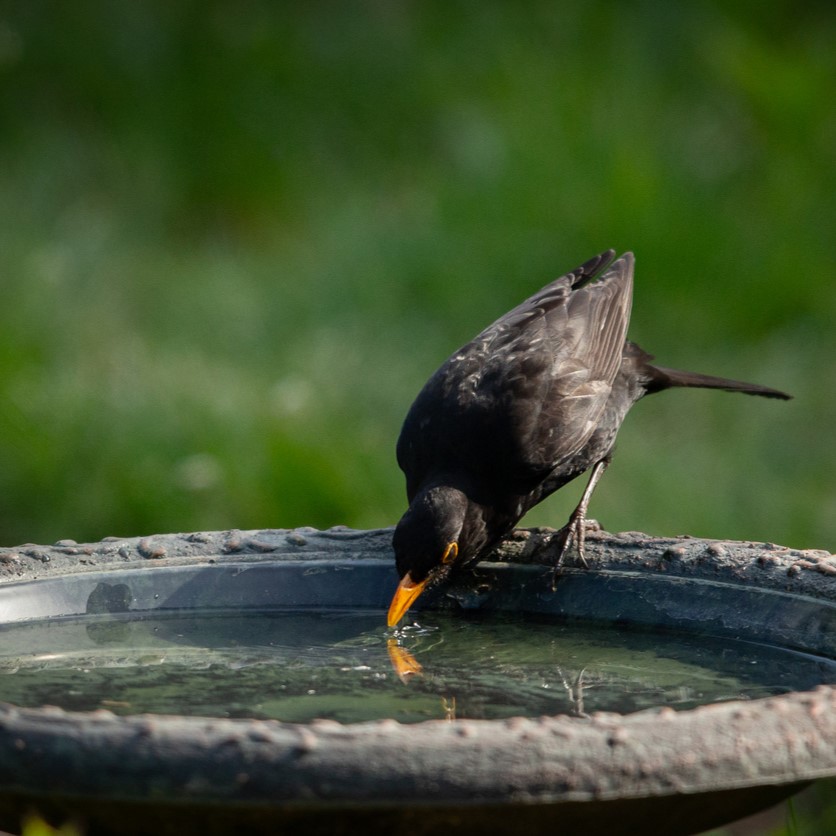
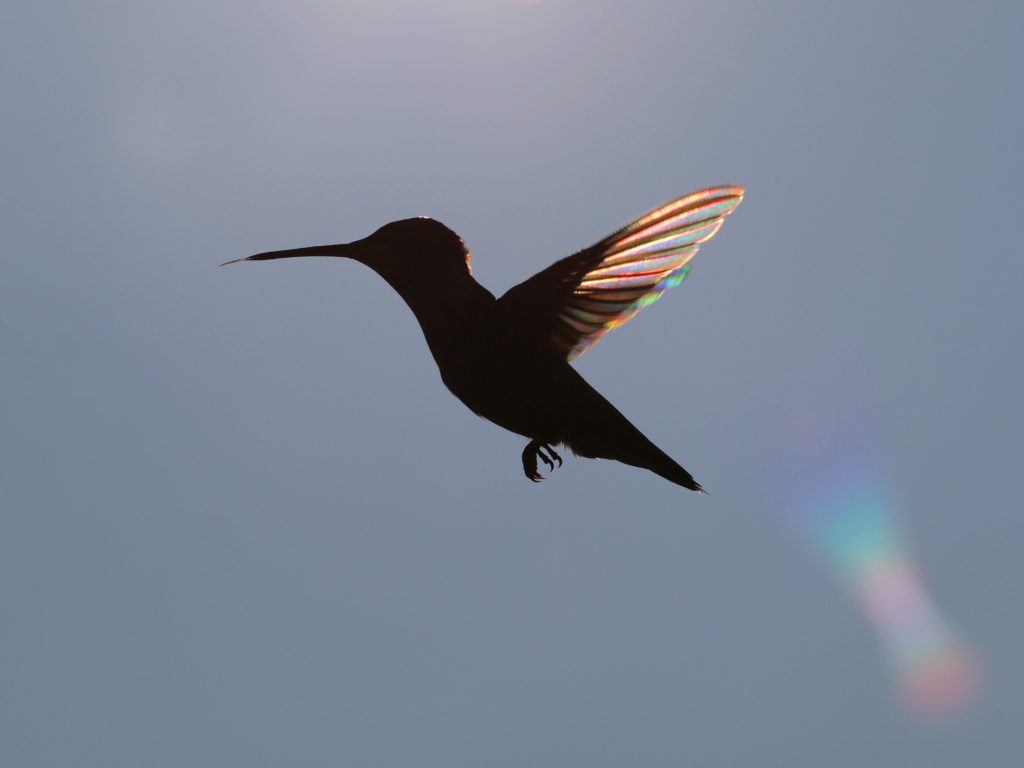
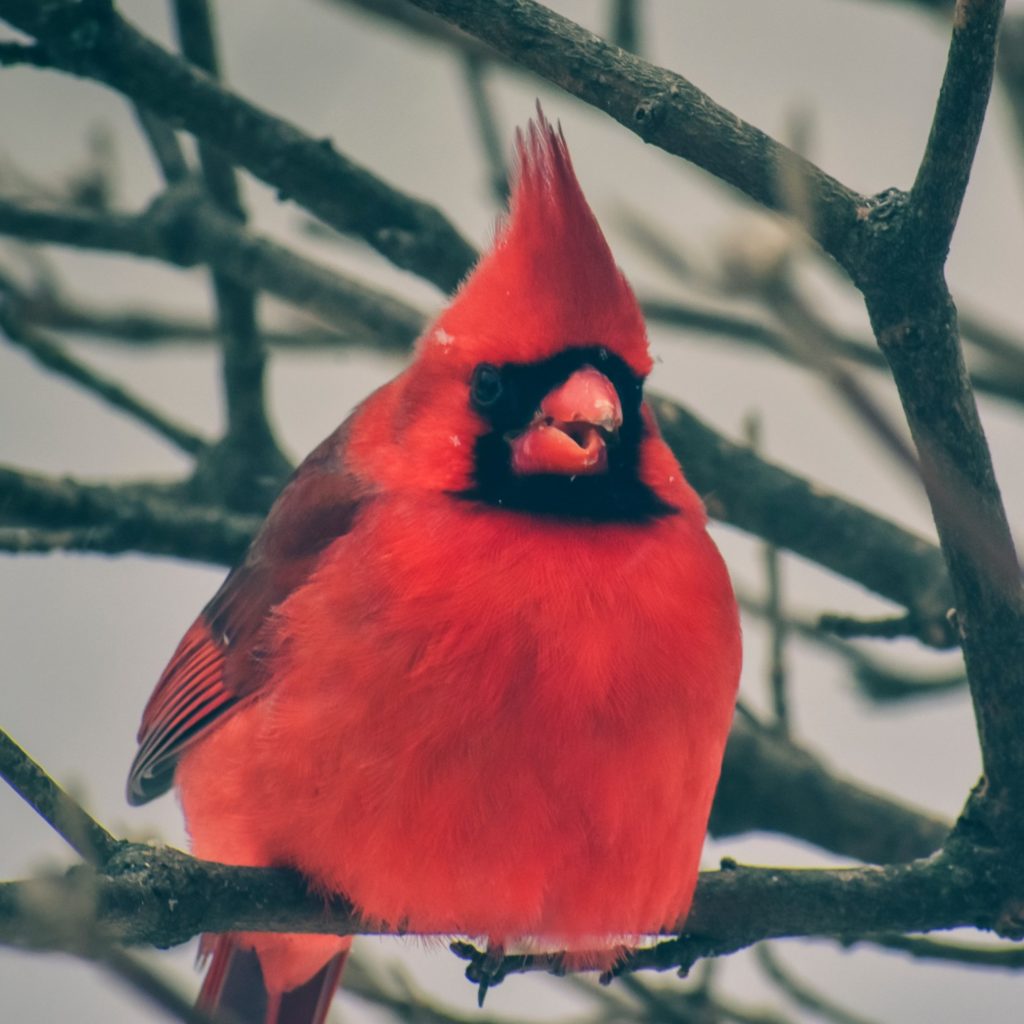
Last summer, in this same spot there was a bird haven. Honeysuckle, robins, hummers, bleeding heart, roses tended by an older man with suspenders, cane, and a straw hat. I wonder if these are his clothes, now stiffened flags saluting ten-foot snow drifts. There are icicles hanging over the spot where the rose bushes had been. A bird feeder hangs from the middle of the line, tied with rope, half-full of seed. Next to it, a slab of suet.
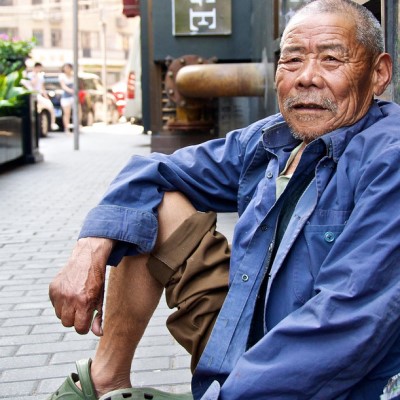
As I turn the corner, a man—perhaps the gardener, but I can’t be sure—rounds what’s left of the building. Harsh limp, his body bone thin. No coat, faded blue pants, an orange shirt inked with old, black prison numbers. Boots too big, a clip-on bow tie securing his stretched-out collar.
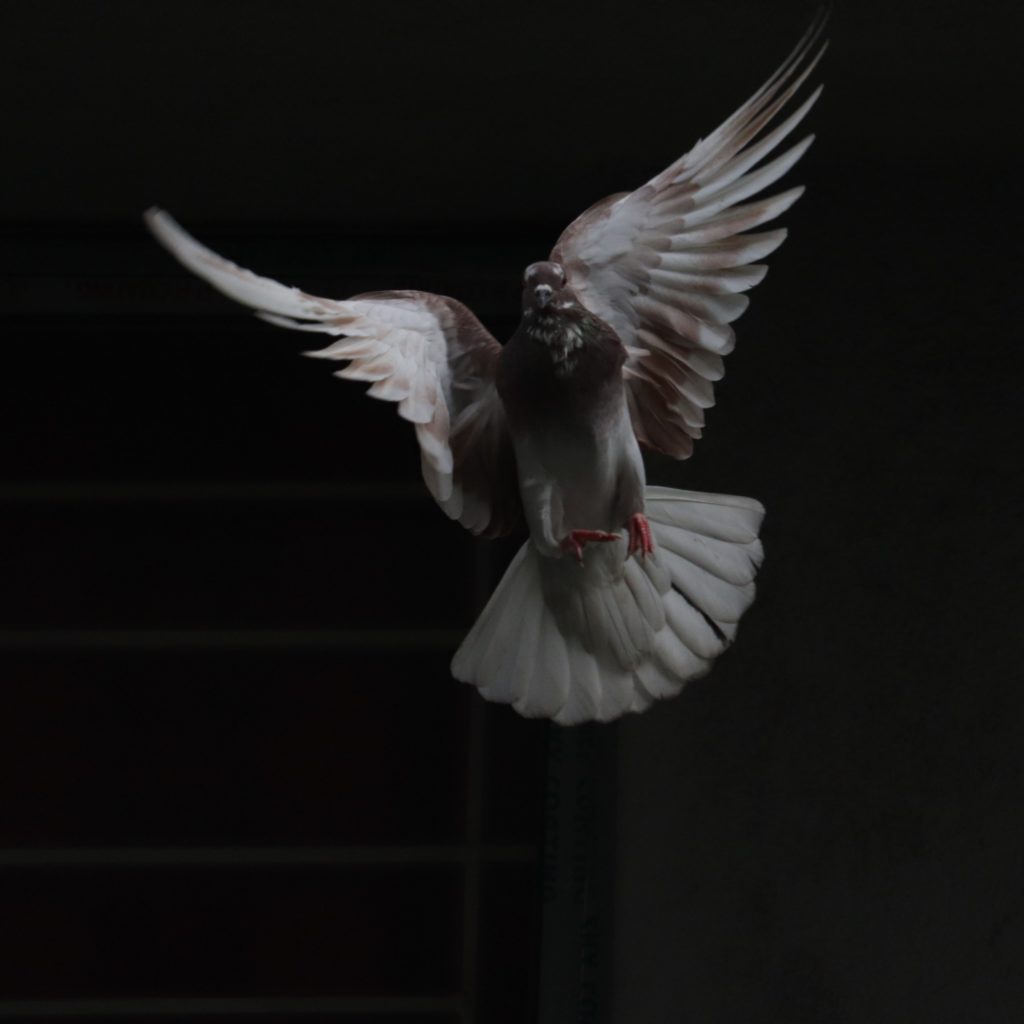
He puts his index finger to each of the feeder openings and gently cleans away the ice. He does each one twice, then leaves the way he came.
Thomasin LaMay is a writer, singer, teacher, occasional midwife in Baltimore, MD. She’s taught music and women/gender studies at Goucher College, and currently teaches high school for at-risk teens. Her writing appears in Brevity, Thimble Literary Journal, Ekphrastic Review, Yellow Arrow Journal, Yellow Arrow Vignette, Tiny Memoir, forthcoming in Bluebird Word. She lives in the city with 50-ish plants, 100-ish books, 9 dulcimers, two cats, a dog, and random strays. New project is a micro-memoir. For fun she plays drums.
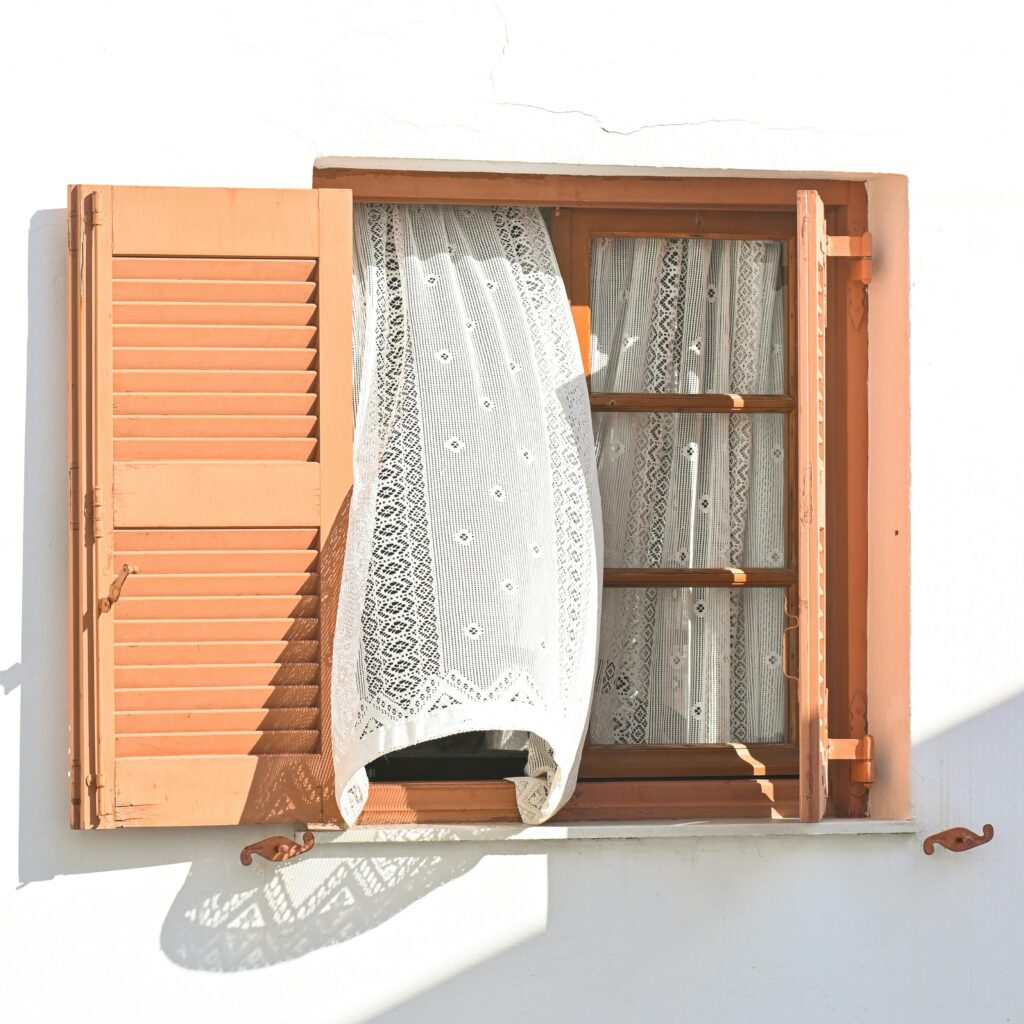
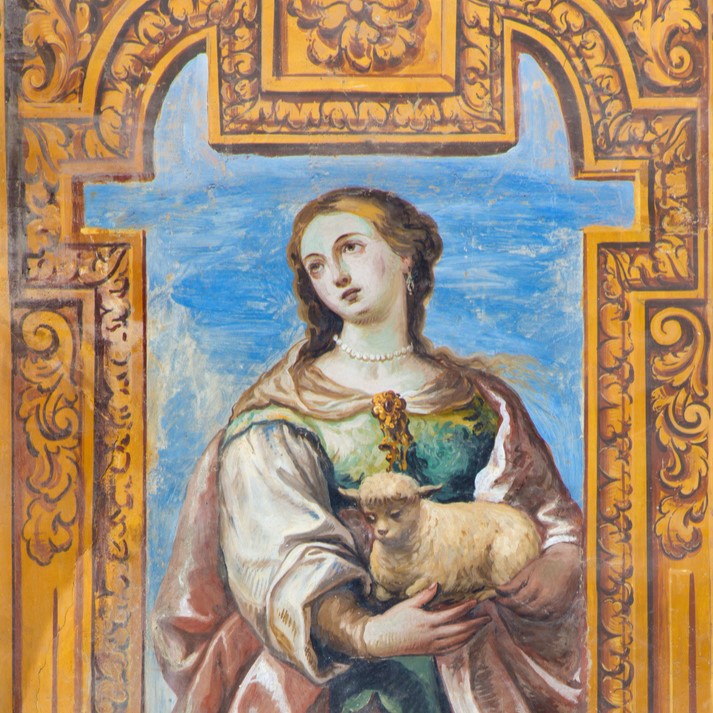
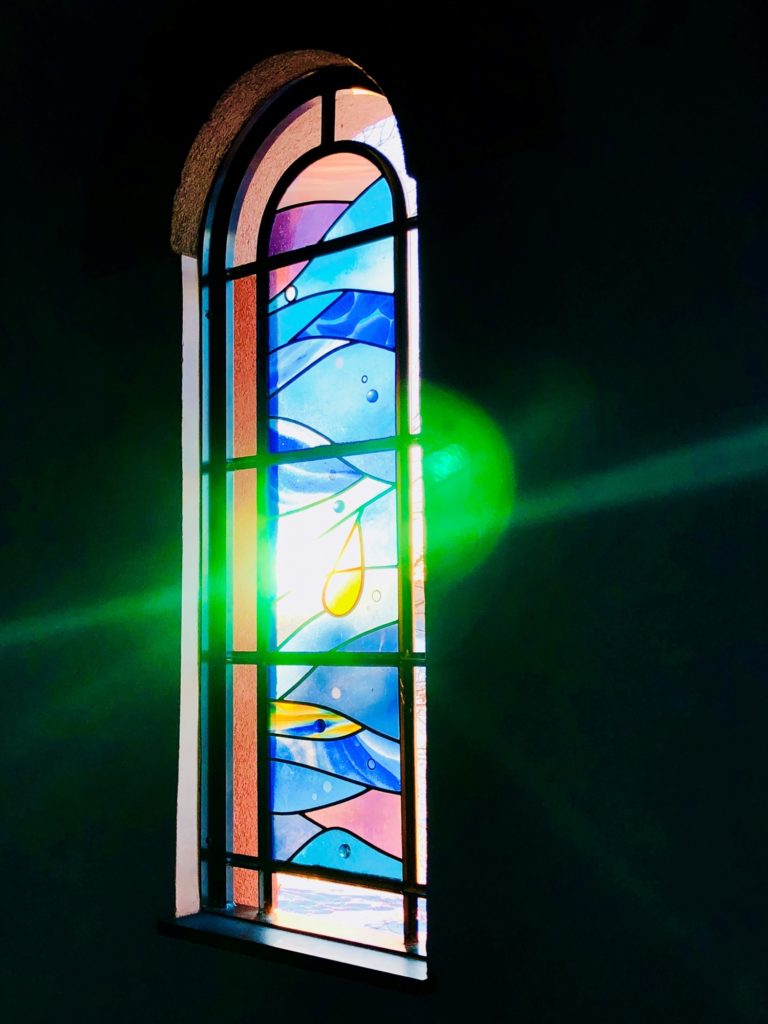
Image by Eva Bronzini courtesy of Pexels




















































































































































































































































































































































This is a tender piece of observation. Thank you. Cinematic in it’s beautiful details
What a lovely telling of this snapshot. I can picture and feel it all. Reminds me of Ted Kooser’s poem “Tattoo.”
A word painting like few others. Every sentence embodies this man’s humanity, his hardship—past and present—and his gentle caring for nature and the smallest creatures of the earth. Bone thin, in pain, and in freezing weather, the man chips away snow with his finger —and offers food and a safe-house for the birds. A beautifully written, powerfully nuanced work of art.
What stays with me is that he clears each opening “twice”.
In a landscape of burned-out buildings, ten-foot snowdrifts, prison numbers, and a garden disappeared beneath winter, there is still this: a man making sure the birds can eat.
Maybe that’s what tending really is. Not fixing what has been lost. Not even knowing whether spring will restore it. Just noticing what still needs care—and putting your finger there, gently, twice.
Beautiful.
touching and thoughtful
Gorgeous images, subtle details, deep empathy. This piece will stay with me for a while. Thanks for sharing.
Beautiful.
Amazing observation told in a beautiful way.
Gorgeously noted and captured here – what tending looks like in different seasons, and the juxtaposition between this man’s tending of the birds and how the world seems to have tended/not tended to him. Thank you for sharing.
Haunting.
Tender, thank you.